
Celebrating Affordable Homeownership, and Breaking Down Definitions
Interested in Making Affordable Homeownership Happen? Let’s Understand How It Works
June 2026
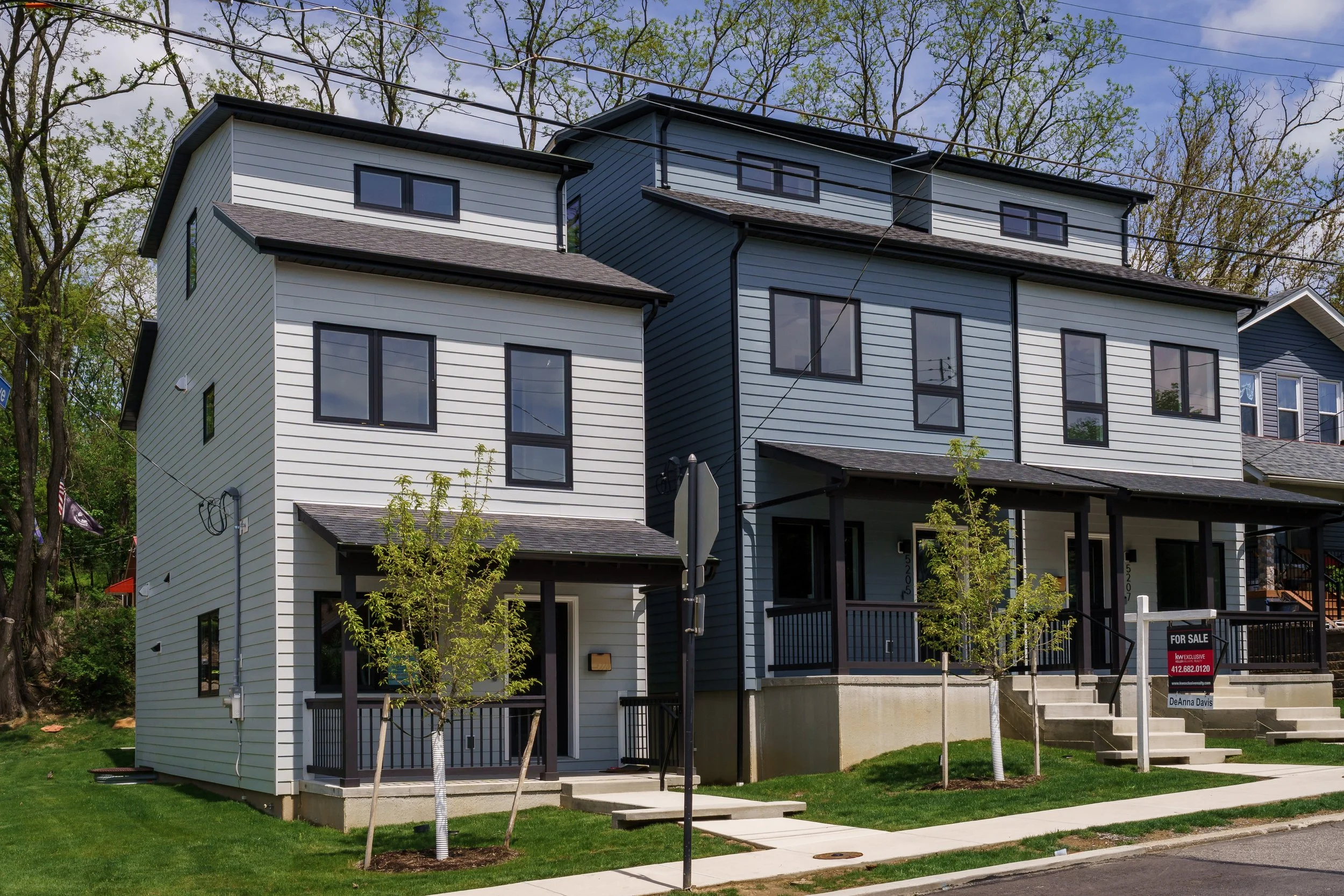
We are all living this story every day; neighbors are working hard their whole lives, yet it can only take one small set back and owning their own home feels unattainable. "Housing has become really unstable in Pittsburgh, where landlords are continuing to raise rents without upkeep,” shared Steph Neary, a City of Bridges CLT homeowner living in a home built by Module, “Getting to know City of Bridges and Module made me feel homeownership was a moral choice."
Homeownership has benefits both on a personal and community level. Homeowners across demographic data have lower levels of chronic health conditions (CDC). Children living in stable homes are more likely to graduate high school (Habitat for Humanity).
And, it helps neighborhoods flourish. It makes sense economically to increase the tax basis for local municipalities, and at the same time long-time residents are more likely to engage in bettering their neighborhoods. (County Health Rankings Data)
What is affordable homeownership, really?
A common misunderstanding about affordable homeownership is that it relates to the home prices listed on Zillow and whether those seem too high. But the way public institutions define affordability is actually tied to accessibility for each households’ income.
Rather than a set price, “Affordable” means that the household that lives there meets income qualifications and pays only a certain percentage of their income towards their mortgage. This means it is NOT true that housing is “free”--an affordable homeowner pays a down payment and mortgage, it is just a lower rate than would be available in an open housing market.
The role of nonprofits in this equation is essential. Often times this looks like a community land trust with a non-profit mission who will own the land and keep it affordable. Other models have local governments that maintain ownership, or a trusted nonprofit.
The nonprofit partner will usually provide financial counseling, credit coaching, downpayment assistance, and below-market rate financing to the homeowner. They are also responsible for qualifying families with a credit score and income match, often times 80% of the area median income or less at the time of move in. Homeownership is an opportunity for wealth building, so the hope and goal would be that a family’s income increases after move in, their income is not restricted permanently.
Community Land Trusts like City of Bridges work by making an upfront investment in the home to lower the sales price to the first income qualified buyer. Through a ground lease to the land that is owned in perpetuity by the CLT, that buyer agrees to sell the homes to another income qualified homeowner when they choose to sell. Other non-profit partners may have a version of this process. It is a pay it forward model that ensures the investment stays in the community rather than just one homeowner.
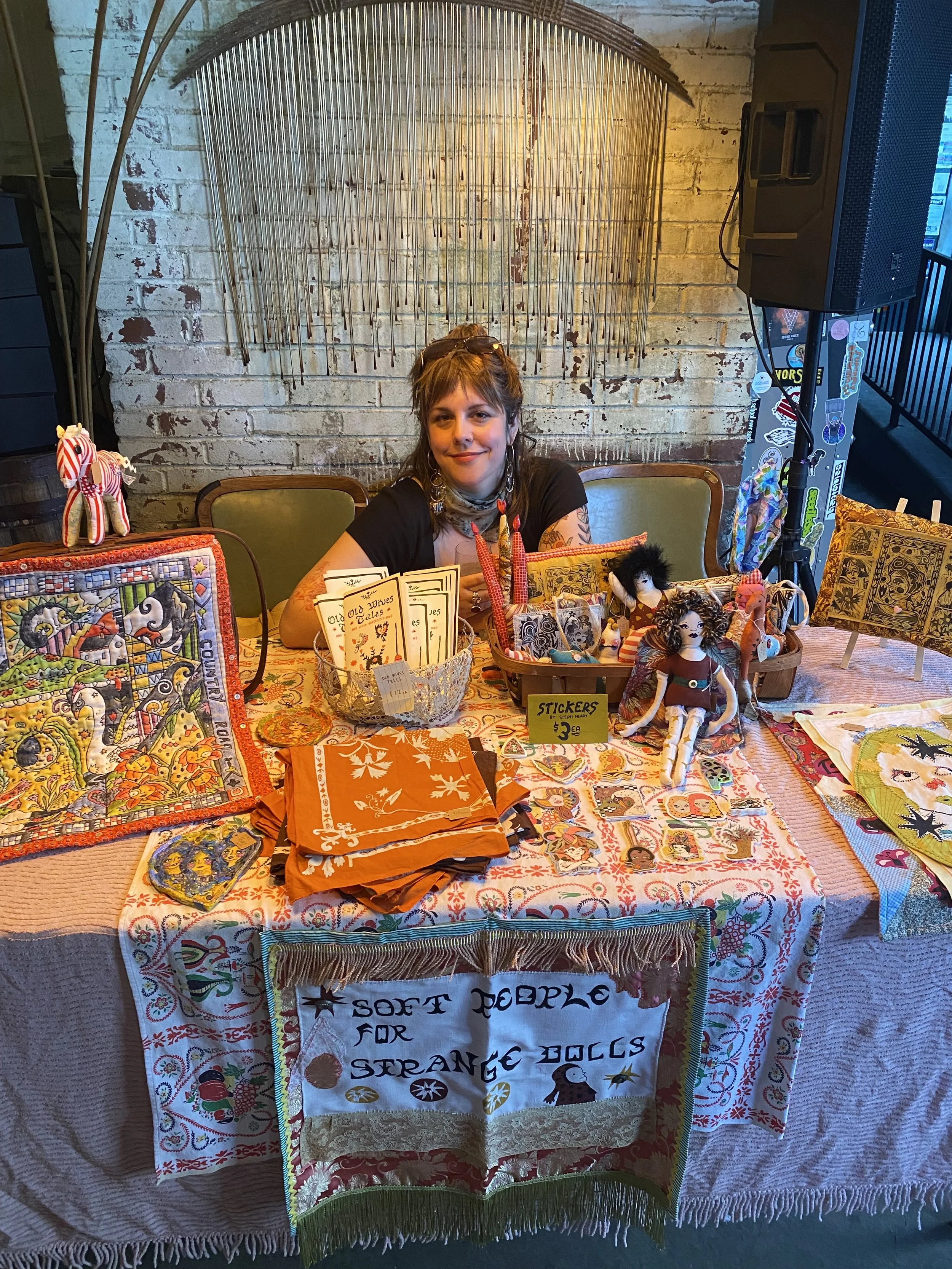
Steph Neary, homeowner through City of Bridges CLT and local artist, who put down roots in her neighborhood
So, where does Module come in?
Module is a design, manufacture, and build partner providing the “bricks-and-mortar” home (though we use more energy efficient materials!). This means that the nonprofit partner works with us as their architect, manufacturer, and for a scope of the construction management to get a Module home set on solid ground.
However, as a community-rooted institution founded in Pittsburgh, we have a mission that goes beyond the bottom line. In 2025, 100% of our homes built were affordable to end user families below 80% area median income.
That’s because we designed our business to partner with nonprofits. We seek to be comfortable, flexible, and motivated towards the tricky funding deadlines and changing priorities that it takes to manage an affordable home process. We are familiar with funding sources for subsidy and we’ve already made the case to capital partners on why modular construction works for your projects.
Through the Mission Driven Developer Program and beyond, Module aids emerging developers in the modular construction process and our team has toolkits and resources specifically for our nonprofit partners. Modular construction works on a faster timeline, shortened risk period, and yet still builds quality, lasting homes that will be affordable now and in the future.
What does the financing look like?
The financing of affordable housing can get confusing. First, think through what a typical home purchase entails from a homeowner perspective: save up for your down payment and then go to a bank to take out a 30 year loan, paying a monthly mortgage.
From the perspective of the home builder, the costs to build a new 3 bed, 2 bath home in a city like Pittsburgh might be around $400,000, which the developer will pay using a construction loan. The developer pays interest on that loan until the home is sold to a buyer, hoping to make a profit.

The graph above shows some of the differences for affordable housing. A low-income homebuyer will never be able to afford the total cost of construction. A non-profit partner or community land trust instead helps package down payment assistance, low-interest financing, and forgivable debt (oversimplified above as “grants”).
This means the nonprofit partner covers the cost of construction and the home buyer is able to afford to move in, in this example for around $170,000.
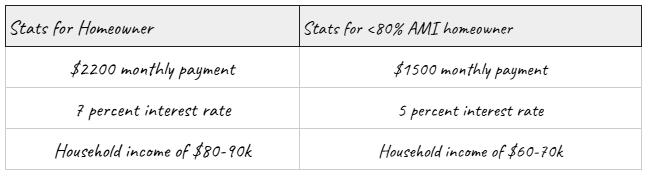
In both scenarios, modular construction can help reduce the total development cost through interest accrued on the construction loan before the developer is able to sell. Both homeowners own the real value of a house that they can see grow over time. Affordable homeowners are able to get real value out of the deal, such as in back-of-the-napkin assumptions below:
Putting Down Roots
Talking with Steph, though, it is clear that owning a home goes beyond numbers. “It was important for me to stay in Garfield,” she shared. As the manager at VaultArt Studio, a progressive art studio located on Penn Ave., Steph works with 17 artists with disabilities, providing them with access to studio and gallery space as well as advocating for them to be included in the contemporary art world. “When you purchase artwork from VaultArt Studio 100% of the proceeds go back to the artists.”
Owning a home has made a personal difference to Steph. "I'm the first single woman in my family to own my own house, which has been an interesting generational change."
For developers interested in building affordable housing, Module’s technical assistance and integrity-driven business model works well for funding sources like Federal Home Loan Bank and PA Housing Affordability Program. Reach out to us, so we can partner to make more dreams a reality.
"Putting down roots in Pittsburgh after 20 years is my favorite part! I've worked so hard to help that neighborhood grow, and with all of the changes I want to be able to watch it grow and have my voice heard."